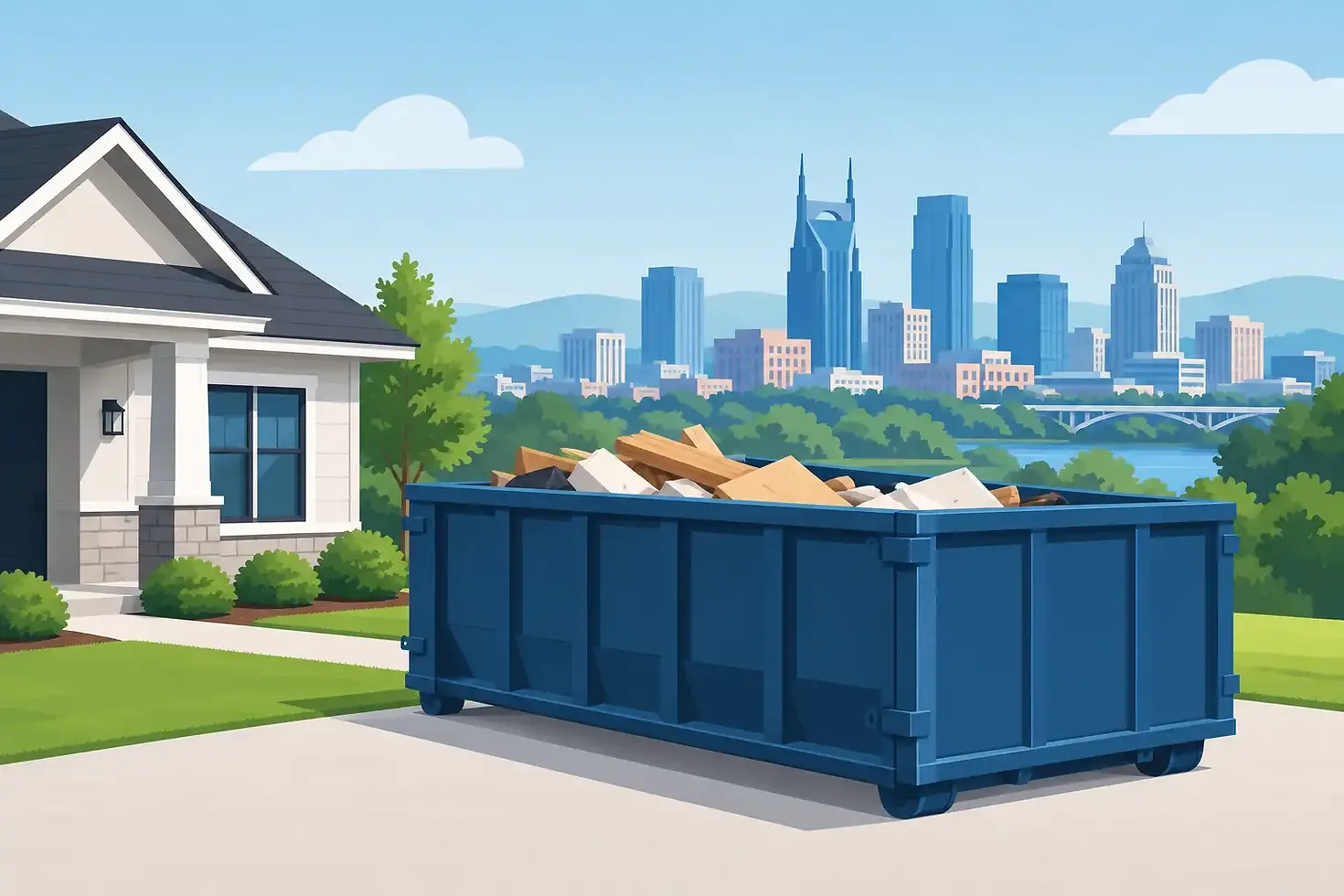
Dumpster Rental Davidson County NC Made Simple

A garage cleanout can start with a few boxes and turn into a driveway full of furniture, carpet, bags, and broken items before lunch. A kitchen remodel creates its own pile just as quickly. When curbside carts are no longer enough, dumpster rental Davidson County NC customers can rely on should feel simple: get the right size, know what is included, fill it safely, and have it picked up when the work is done.
For homeowners, landlords, contractors, and property managers, a roll-off dumpster keeps a demanding project from becoming a long series of truck trips. It gives debris one place to go and helps you keep the property safer and more organized while the work is underway.
When a Dumpster Is the Right Call
A dumpster makes sense when the waste is bulky, heavy, or simply too much for regular trash service. Estate cleanouts, moves, tenant turnovers, roof repairs, flooring replacement, yard cleanup, remodeling work, and light construction are common reasons to rent one.
The real benefit is not only capacity. It is time. Loading a container at your own pace is often easier than borrowing a truck, making repeated trips to a disposal site, unloading, and starting over. For a contractor, it can also keep a jobsite clear so materials, tools, and crews have room to work.
That said, not every project needs a roll-off. If you have only a few bags or a single small item, regular collection or a local donation option may be more practical. A dumpster becomes the better choice when the project has enough volume that hauling it yourself will cost more time and effort than it saves.
Choosing a Dumpster Rental in Davidson County NC
The best size is the one that gives your project enough room without paying for capacity you will not use. Davidson Disposal offers 15-yard and 20-yard roll-off dumpsters, two useful options for the jobs most local homeowners and small crews face.
The 15-yard dumpster
A 15-yard dumpster is a practical choice for a focused cleanout or a smaller renovation. Think of clearing a garage, attic, basement, or a few rooms of unwanted household items. It can also work well for flooring removal, a bathroom update, smaller landscaping projects, and rental-property turnover work.
This size is often a good fit when driveway space is limited or when you know the waste is substantial but not overwhelming. Starting pricing is $300, with one ton of disposal weight included. If your load consists mostly of everyday household debris, this can be a straightforward, economical option.
The 20-yard dumpster
A 20-yard dumpster gives you more breathing room for larger cleanouts, remodeling debris, bulky furniture, or active construction work. It is often the better choice for whole-home cleanouts, major flooring removal, larger renovation projects, roofing debris, and jobs where several people will be loading throughout the day.
Starting pricing is $380, with two tons included. The additional included weight can matter when materials are dense. Drywall, shingles, tile, lumber, soil, and wet yard debris can add up faster than many people expect. If you are deciding between sizes and your project is likely to grow once you begin, the larger container may prevent the frustration of running out of room.
Understand Weight Before You Load
Dumpster pricing is not only about the container size. Disposal facilities charge based on weight, which is why included tonnage matters. One ton is 2,000 pounds, and two tons is 4,000 pounds. That can sound like plenty until heavy debris enters the picture.
A container full of cardboard, old furniture, and general household clutter will weigh very differently from one loaded with shingles, brick, concrete, dirt, or saturated lumber. The goal is not to guess perfectly. It is to be honest about the kind of debris your project will create and discuss it before delivery.
For mixed debris, load larger and heavier materials evenly across the bottom rather than creating one heavy corner. Keep lighter items toward the top, and break down boxes when possible. Do not pile material above the top rail. A level load is safer for transport and helps avoid delays when it is time for pickup.
Plan the Delivery Spot First
Before your dumpster arrives, choose a spot that is accessible for the delivery truck and convenient for loading. A driveway is common, but a firm, level area is usually best. Make sure vehicles are moved, gates are open, and low-hanging limbs or overhead lines will not interfere with placement.
It is also wise to think about protection for the surface underneath the container. If you are concerned about a driveway, ask about placing boards under the contact points. Every property is different, especially older driveways, gravel areas, narrow lots, and homes with steep approaches.
If the dumpster must sit on a public street or right-of-way, check local requirements before scheduling. Permit rules can vary by location. Handling that question early helps avoid a delivery-day surprise.
Know What Cannot Go in the Container
Most ordinary household junk, renovation debris, wood, furniture, appliances accepted by the provider, and general construction waste can be handled through a roll-off rental. Hazardous or regulated items are different. These materials need special disposal arrangements and should never be added without prior approval.
Common examples include:
Paint, solvents, fuels, oils, and chemicals
Batteries, propane tanks, and pressurized containers
Tires and certain electronics
Asbestos or other regulated building materials
Medical waste and other hazardous waste
When in doubt, ask before loading it. A quick conversation is easier than sorting prohibited material out of a full container later. It also protects the people handling the dumpster and helps keep disposal costs predictable.
Keep the Project Moving Without Overcomplicating It
A good dumpster rental should support the work, not create another task to manage. Start by setting aside items that can be donated, recycled, or sold. Then place the dumpster where it will reduce carrying distance without blocking the job. As you work, load debris steadily instead of waiting for one exhausting final cleanup day.
For landlords and property managers, this can be especially helpful between tenants. A container on site allows maintenance crews to remove damaged furniture, old carpet, abandoned belongings, and repair debris in one coordinated effort. For contractors, it creates a cleaner work area and gives clients a better impression of how the project is being managed.
Timing matters, too. Schedule delivery close to the start of the project, but leave enough room in the calendar for the work to take longer than expected. Remodeling has a way of uncovering surprises behind walls and under floors. A little flexibility is often more valuable than trying to plan every detail perfectly.
Local Service Still Matters
When a full dumpster is sitting in your driveway or at your jobsite, you do not want to chase down a distant call center for answers. You want clear pricing, a real person who understands the area, dependable delivery, and pickup when the job is complete.
That is the kind of service Davidson Disposal is built to provide. As a family-owned local company, the focus is simple: honest communication, timely service, and treating customers like neighbors. Whether you are clearing out a family home, preparing a rental, or finishing a hard-earned renovation, the disposal side of the project should be one less thing to worry about.
Choose the container that fits your debris, keep heavy materials in mind, and ask questions before the delivery truck arrives. With a clear plan and a dependable local rental, you can spend less time dealing with the pile and more time enjoying the space you worked hard to reclaim.


Comments